PRP vs. Shockwave Therapy for Tennis Elbow: How Do You Choose?
Tennis elbow can make simple things like holding a coffee mug, lifting a bag, or using tools uncomfortable every day. If changing your activities, using a brace, or trying physical therapy hasn’t eased the pain, PRP and shockwave therapy could be options to look at. At OrthoGen Health in San Jose, we begin by making sure we understand exactly what’s causing your elbow pain and how severe it is.
Why Does Tennis Elbow Keep Coming Back?
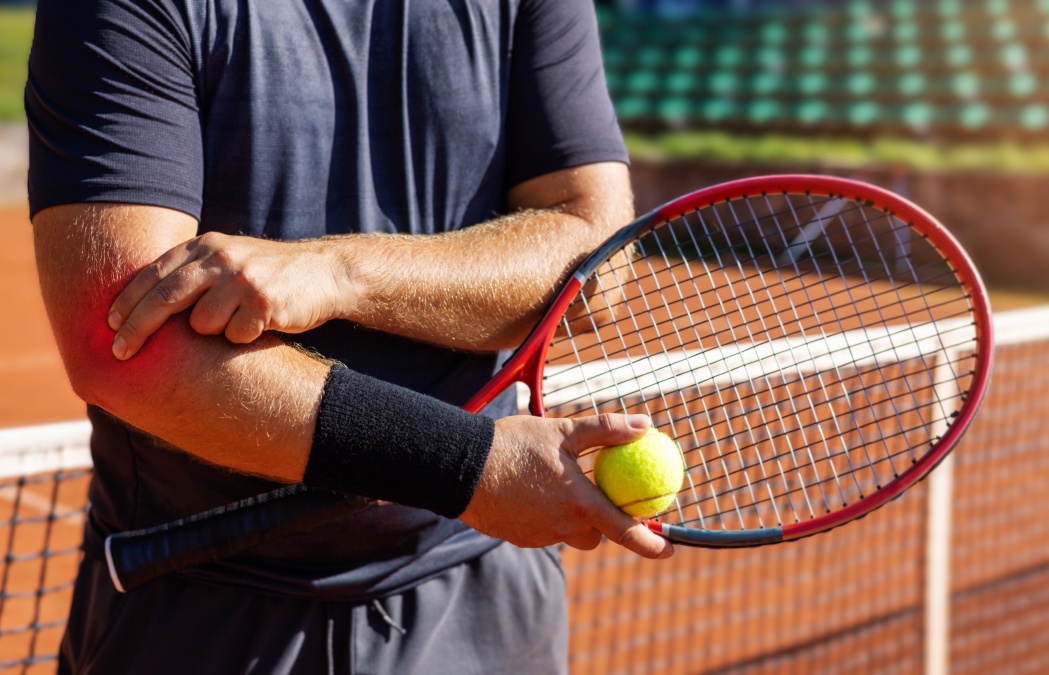
Tennis elbow affects the tendon attachment on the outside of your elbow. It’s often called lateral epicondylitis, but {chronic lateral epicondylosis} is a more accurate term for the tendon changes that happen over time. Repeated gripping, lifting, wrist extension, or racquet sports can keep putting stress on the area before it has a chance to heal.
A focused evaluation also helps distinguish tennis elbow from problems that can feel similar, including nerve irritation, elbow-joint conditions, or pain referred from the neck. Treating the wrong source can mean more time lost to a plan that never had a fair chance of working.
How Do PRP and Shockwave Therapy Differ?
Both treatments are nonsurgical, but what you experience and how the plan works are different:
- {PRP for tennis elbow}: We take a small sample of your blood, concentrate the platelets, and inject the PRP right into the tendon that’s causing trouble. This puts growth factors and helpful proteins exactly where they’re needed.
- {Shockwave therapy for tennis elbow}: A handheld device sends acoustic pulses through your skin to the painful tendon. There’s no blood draw or injection, and you’ll usually come in for a series of visits.
You’ll still need to look at the activities, technique, or workload that keep irritating your tendon, no matter which treatment you choose. Rehab may still be part of your plan before, during, or after treatment.
What Does the Research Show?
The American Academy of Orthopaedic Surgeons lists PRP and shockwave therapy as nonsurgical options for tennis elbow. Most people get better without surgery, so these treatments usually come up when the basics haven’t brought enough relief.
A 2025 randomized controlled trial looked at adults with chronic lateral epicondylosis that lasted more than six months, even after at least three months of nonsurgical care. All four groups improved, but PRP led to better function and higher patient satisfaction at two years compared to shockwave therapy or physiotherapy. These results suggest PRP may offer stronger long-term benefits for some people, but it isn’t the right answer for everyone.
Which Non-Surgical Tennis Elbow Treatment Fits You?
PRP could be a good choice if you’re comfortable with an injection and want treatment delivered right to the tendon. Shockwave therapy might be a better fit if you prefer a noninvasive option and don’t mind coming in for several visits.
Our regenerative orthopedic team looks at your symptoms, what care you’ve already tried, your activity level, and the condition of your tendon before making a recommendation. If you have a significant tendon tear, nerve compression, or a different diagnosis, your treatment plan may need to change.
Compare Tennis Elbow Treatment in San Jose
Persistent elbow pain needs a plan that’s built around your diagnosis, not just another generic fix. OrthoGen Health can help you compare PRP and shockwave therapy based on your exam, treatment history, and goals. Schedule a consultation in San Jose to see which approach can help you get your arm working again.
Posted on behalf of
1604 Blossom Hill Rd., Ste. 10
San Jose, CA 95124
Phone: (669) 202-3414
[email protected]